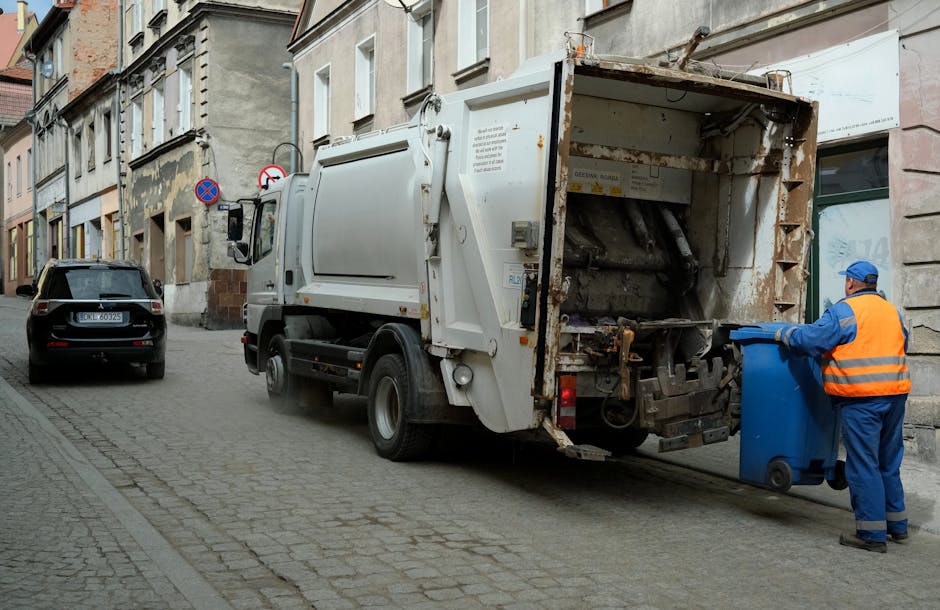
Hammersmith W6 Rubbish Collection Guide for King Street
If you live, work, or manage property near King Street, rubbish collection can feel straightforward until the bins are full, the lift is blocked, or a pile of bulky waste appears overnight. This Hammersmith W6 rubbish collection guide for King Street is here to make the whole thing less stressful and a bit more predictable. You will find how collections typically work, what to do before booking, which waste streams need extra care, and when a specialist clearance service is the safer choice. In practice, the difference between a smooth collection and a messy one often comes down to preparation.
King Street has its own rhythm. Morning deliveries, busy footfall, flats above shops, office space tucked behind frontages, and the usual London parking pinch can all affect how rubbish is removed. So rather than giving you vague advice, this guide focuses on the real decisions people face: what can go, how fast it can go, what to check before collection day, and how to avoid a last-minute headache.
Table of Contents
- Why Hammersmith W6 rubbish collection guide for King Street Matters
- How Hammersmith W6 rubbish collection guide for King Street Works
- Key Benefits and Practical Advantages
- Who This Is For and When It Makes Sense
- Step-by-Step Guidance
- Expert Tips for Better Results
- Common Mistakes to Avoid
- Tools, Resources and Recommendations
- Law, Compliance, Standards, or Best Practice
- Options, Methods, or Comparison Table
- Case Study or Real-World Example
- Practical Checklist
- Conclusion
- Frequently Asked Questions
Why Hammersmith W6 rubbish collection guide for King Street Matters
King Street sits in one of those parts of West London where rubbish is never just rubbish. It is often a mix of household bags, packaging from deliveries, office clutter, flat clearance waste, old furniture, and the occasional awkward item that no one wants to carry down stairs. If you get the collection plan wrong, waste can sit around too long, attract complaints, or cause access issues for neighbours, tenants, customers, or staff.
That matters more than people expect. A small pile near a shop entrance can affect how a frontage looks. A few broken items left in a shared hallway can become a trip hazard. In a flat above King Street, a missed collection can quickly turn into an argument about who booked what, and who forgot the mattress. It happens. More often than it should, honestly.
There is also the practical side. Waste that needs sorting after it has already been dragged to the kerb wastes time and energy. If you know what type of collection you need before you start moving things, the job is cleaner, faster, and usually less expensive in effort. For local businesses, that can make the difference between a calm opening and a chaotic one.
For many readers, the goal is not just "remove the rubbish." It is to remove it without drama, while keeping the property tidy and the schedule intact. That is the real point of a good rubbish collection guide.
How Hammersmith W6 rubbish collection guide for King Street Works
Most rubbish collection jobs around King Street follow a similar pattern: identify the waste, estimate the volume, decide whether it is general waste or a specialist item, and arrange a collection method that suits the access. Simple in theory. Less simple in a narrow mews, basement flat, or busy mixed-use building.
In a typical collection, the process starts with a quick assessment. Is the waste bagged? Are there bulky items like wardrobes, beds, or broken desks? Are there any appliances, confidential papers, or materials that need separate handling? If the answer includes a few "yes" items, the collection plan needs a little more thought. Not much, just enough.
On King Street, access can shape the plan as much as the waste itself. If parking is tight or the waste is stored upstairs, you may need more than a wheelie-bin-style pickup. That is where a planned clearance approach can help, especially for flats, offices, and mixed-use premises. You can also compare broader support options such as waste removal for mixed loads, or a more specific service like flat clearance when the waste comes from an upper-floor property.
For larger or more structured waste, the right method depends on what you are clearing. Renovation rubble is a different animal from old office chairs, and garden cuttings are not the same as wet household waste. That sounds obvious, but you would be surprised how often people mix everything together and then wonder why the collection became awkward.
Key Benefits and Practical Advantages
A good local collection plan saves more than just mess. It saves time, protects access, and can reduce the amount of handling needed on the day. That is a real advantage if you are managing a busy household or running a business near King Street where people are coming and going all day.
Here are the main benefits people usually notice first:
- Less disruption: waste is removed in one organised visit rather than in several awkward trips.
- Safer movement: bulky items are handled with less lifting through shared stairs or narrow hallways.
- Better appearance: ideal for front-of-house areas, rental properties, and commercial spaces.
- More efficient sorting: recyclable items can be kept apart from general waste.
- Reduced stress: you know what is going, when it is going, and what needs to stay behind.
There is another advantage that gets overlooked. A well-planned collection usually reduces the number of decisions you need to make on the day. Once the waste is grouped properly, you are not trying to argue with a mountain of cardboard at 7:30 in the morning while the kettle is on and the corridor smells faintly of damp boxes. Nobody needs that start to the day.
If you are clearing a property after a move, refurbishment, or tenant change, these gains add up quickly. A simple local clearance can be a neat reset rather than a drawn-out tidy-up.
Who This Is For and When It Makes Sense
This guide is useful for a wide range of people around King Street, from homeowners to landlords to shop managers. Different situations call for different collection methods, but the same basic questions keep showing up: how much waste is there, how fast does it need to go, and how much access do we have?
You will likely find this relevant if you are:
- a tenant or homeowner doing a one-off clear-out;
- a landlord between lets and needing a flat reset;
- a business owner clearing back-room clutter or packaging;
- an office manager replacing furniture or equipment;
- a builder or tradesperson with leftover site debris;
- someone dealing with a loft, garage, or storage space that has quietly filled up over years.
It also makes sense when waste is not worth trying to shift yourself. A single broken sofa can take more time and effort than the rest of the room combined. A fridge or appliance can be heavy, awkward, and not something you want to drag through a shared entrance. For those cases, it is worth looking at the dedicated options for mattress and sofa disposal or fridge and appliance removal.
If the waste is part of a larger household reset, services like home clearance, house clearance, or loft clearance may be the better fit. In other words, choose the shape of the job first, not just the item type.
Step-by-Step Guidance
Here is the simplest way to plan a rubbish collection near King Street without making it harder than it needs to be.
- Sort the waste into clear groups. Put general rubbish, cardboard, furniture, appliances, and any specialist items into separate piles if possible.
- Check for anything restricted. Some items need special handling, especially hazardous materials, electricals, or anything that may contain fluids, sharp edges, or chemicals.
- Measure the volume roughly. You do not need exact dimensions, but it helps to know whether it is a couple of bags or a roomful of items.
- Think about access. Note stairs, lifts, loading points, parking constraints, and whether the items need to come from the back of the building or through a shared entrance.
- Decide the service type. For mixed waste, broader waste removal may suit you; for office furniture, consider office clearance; for refurbishment waste, look at builders waste clearance.
- Prepare the items before collection day. Keep waste together, make safe pathways, and remove anything you want to keep from around the load.
- Confirm what happens next. Know whether the waste will be collected from inside, the kerb, or a specific access point. This small detail saves a lot of confusion.
A useful habit is to walk the route from the waste to the exit before collection day. It sounds almost too simple, but it catches the classic problems: blocked doors, low ceilings, loose rugs, and that one awkward turn by the stairwell. Little things, big nuisance.
For business premises, it can help to assign one person to supervise the handover. Five people explaining the same pile in different ways is never ideal. One calm point of contact is much better.
Expert Tips for Better Results
In our experience, the best rubbish collections are rarely the biggest. They are the best prepared. A few smart choices make the day smoother and can reduce avoidable delays.
- Keep recyclables separate where possible. Cardboard, clean wood, and scrap metal are much easier to manage when they are not mixed with food waste or broken household rubbish.
- Put small items in bags or boxes. Loose bits take longer to handle and are easier to miss.
- Take photos before collection if the load is unusual. This helps everyone understand what is there. No mystery piles, please.
- Leave a clear walking line. Even a narrow clear route makes lifting safer and quicker.
- Flag awkward items early. Fridges, sofas, and heavy wardrobes are not a surprise you want on the day.
- Book with access in mind. If your property is on a busy part of King Street, time windows and loading access matter more than people think.
One practical tip that saves stress: if you are disposing of mixed household clutter, make a "keep" pile and move it out of the room before the waste team arrives. It sounds basic because it is basic. But it works.
Another one. If the job includes confidential papers, do not just toss them into any old bag. Consider confidential shredding when sensitive documents are involved. That small extra step is better than hoping for the best.
Common Mistakes to Avoid
Most collection problems are preventable. The awkward bit is that people usually only spot them after the waste is already piled up by the door.
- Mixing everything together: furniture, rubbish bags, plaster, and electrical items in one heap can make handling slower and more complicated.
- Underestimating access issues: King Street properties can have tight entrances, shared corridors, or limited parking. A clear route matters.
- Forgetting about specialist items: mattresses, appliances, and potentially hazardous materials often need separate planning.
- Leaving sharp or broken objects exposed: this creates avoidable safety risk for everyone involved.
- Not checking what stays behind: an item can be accidentally collected if it is not clearly marked.
- Leaving booking too late: if you need a tidy turnaround, waiting until the last minute makes everything harder.
There is also a common emotional mistake, if that makes sense: people try to do too much in one go. A loft, a shed, and the spare room all at once sounds efficient until you are standing in a hallway surrounded by half-sorted boxes and a broken lampshade. Better to break the job into chunks. Much better.
If you have bulky items that are still reusable or recyclable, it is worth separating them before disposal. That supports a cleaner process and makes it easier to choose the right route for each item.
Tools, Resources and Recommendations
You do not need special equipment for every collection, but the right basic tools can make the process calmer and safer. A few simple items help more than people expect.
- Heavy-duty bags or boxes: useful for loose rubbish, paperwork, and small mixed items.
- Gloves: sensible for sharp packaging, dust, and broken odds and ends.
- Tape or labels: handy for marking items that should stay, or grouping similar waste together.
- Trolley or sack truck: worth having if you are moving heavier items across a long hallway or courtyard.
- Measuring tape: useful for checking whether a sofa, wardrobe, or appliance will fit through the access route.
For more complex clearances, it helps to think in service categories rather than individual items. A single worn-out couch may point you to furniture disposal, while a full mixed load from a move may be better handled through flat clearance. If your storage space has become the catch-all for years of overflow, garage clearance can be a more fitting approach.
For businesses and landlords, the recommendation is simple: keep a short waste log. It does not need to be fancy. Just note what was removed, when, and whether any special items were included. That record can be useful later if questions come up.
Law, Compliance, Standards, or Best Practice
Waste handling in the UK is not just a matter of convenience. There are legal and practical expectations around safe disposal, duty of care, and keeping waste out of the wrong stream. You do not need to become a compliance specialist, but you do need to avoid the sloppy stuff.
Best practice usually means the following:
- separating recyclable and general waste where practical;
- keeping hazardous materials apart from normal rubbish;
- using a service that can handle the type of waste you actually have;
- making sure items are transferred and stored safely before collection;
- avoiding fly-tipping or leaving waste in unauthorised places.
When waste includes electrical appliances, sharp metal, paint, chemicals, or anything that may be classed as hazardous, care matters even more. If you are not sure, pause and check before moving it. That is a much safer habit than guessing.
For anything related to site work or refurbishment, the same principle applies. Builders' debris, timber offcuts, dust, packaging, and old fixtures often need separating from household rubbish. A builders waste clearance approach is generally more appropriate than a generic dump-and-go mentality, which, let's face it, tends to go wrong fast.
It is also good practice to check service terms, payment expectations, and safety arrangements before collection. If you want reassurance around how a provider works, their health and safety policy and insurance and safety information are sensible places to look.
Options, Methods, or Comparison Table
There is no single best method for rubbish collection near King Street. The right option depends on quantity, item type, access, and urgency. Here is a practical comparison to help you think it through.
| Method | Best for | Strengths | Watch-outs |
|---|---|---|---|
| Bagged rubbish collection | General household waste, light office bags, packaging | Simple, quick, low fuss | Less suitable for bulky or awkward items |
| Flat clearance | Mixed items from flats or upper floors | Good for clutter, furniture, and a full reset | Needs good access planning |
| Office clearance | Desks, chairs, files, equipment, fit-out waste | Useful for business moves and refurbishments | May involve confidential or electrical items |
| Furniture disposal | Sofas, tables, wardrobes, chairs | Ideal for bulky single items or room refreshes | Heavy items can be hard to move safely alone |
| Builders waste clearance | Rubble, offcuts, packaging, renovation leftovers | Better suited to construction-style waste | Not ideal for mixed domestic clutter |
If you are unsure, the safest approach is to start with the waste type, then work out the collection method. People often do it the other way round and end up paying for convenience they do not need. Or the reverse. Either way, not ideal.
Case Study or Real-World Example
Picture a small mixed-use property near King Street: two flats upstairs, a narrow internal stairwell, and a ground-floor business tenant with boxes stacking up in the back room. Nothing dramatic. Just one of those real London buildings where space disappears quietly over time.
The first job was a flat clear-out after a tenancy change. The second was removing old office chairs, damaged shelving, and a couple of boxed appliances from the commercial unit. The tricky part was access. There was limited room at the front, and everyone needed the shared passageway kept clear.
The collection worked best when the waste was sorted in advance. Furniture was grouped separately, boxes were flattened, and the broken appliance was flagged early. That meant less back-and-forth on the day. The team could move methodically rather than stop every few minutes to ask what stayed and what went.
The useful lesson? Not all rubbish collection jobs are about volume. Sometimes the real challenge is making a mixed property work around the waste. If you plan the route, label items clearly, and keep the load sensible, a complicated job becomes manageable. Not easy, exactly, but manageable.
It also showed why matching the service to the situation matters. A general waste pickup would not have been the right fit on its own. The right blend of office clearance, flat clearance, and mixed waste removal kept the process practical and tidy.
Practical Checklist
Use this before collection day. A few minutes now can save you a lot of hassle later.
- Have you sorted rubbish into clear groups?
- Have you identified any bulky, heavy, or awkward items?
- Have you separated anything that may need specialist handling?
- Is the access route clear from the waste to the exit?
- Have you checked whether parking or loading space is needed?
- Have you labelled any items that should not be taken?
- Have you removed personal items, documents, or valuables?
- Have you grouped recyclables where possible?
- Have you confirmed the collection time and handover point?
- Have you thought about whether a more specific service would be better than a general collection?
If the answer to a few of those is no, that is fine. Better to spot it now than while someone is trying to carry a wardrobe through a tight doorway. That doorway always looks narrower on collection day, somehow.
Get a free quote today and see how much you can save.
Conclusion
A reliable rubbish collection plan for King Street in Hammersmith W6 is really about clarity. Know what you have, know where it is, know how it will leave the property, and choose the right disposal route for the waste type. Once those pieces are in place, most of the stress falls away.
That is especially true in mixed, busy, or space-limited buildings. Good preparation keeps the process safe, tidy, and far less disruptive. It also helps you avoid the classic mistakes that make a simple job feel oddly exhausting.
If you are dealing with a one-off clear-out, a recurring business load, or a larger property reset, take the time to match the service to the job. The best collections are usually the ones you barely have to think about. And that, to be fair, is exactly what you want.
When the waste is gone and the space feels usable again, the whole place breathes a little easier. That part never gets old.
Frequently Asked Questions
What is included in a Hammersmith W6 rubbish collection for King Street?
It usually covers general waste, bagged rubbish, and depending on the service, bulky items such as furniture, appliances, or mixed property clearance waste. The exact scope depends on the type of collection you book.
Do I need to sort rubbish before collection?
Yes, ideally. Sorting makes the collection safer and quicker. At minimum, separate general rubbish from furniture, electrical items, and anything that may need special handling.
Can rubbish be collected from a flat above King Street shops?
Yes, but access needs to be planned carefully. Stairs, lifts, shared corridors, and parking can all affect the process. Flat-specific services are often the better fit for upper-floor properties.
What should I do with a sofa or mattress?
These are bulky items, so it is usually better to use a dedicated disposal service rather than try to move them yourself. That reduces lifting risk and avoids damage to walls, doors, or communal areas.
How do I handle electrical items like fridges or appliances?
Keep them separate and make sure they are handled by a service that can remove them safely. Appliances can be heavy and awkward, and they may require more careful disposal than general rubbish.
Is rubbish collection suitable for office clear-outs near King Street?
Yes. Office clear-outs are common in mixed commercial areas, especially when replacing desks, chairs, filing, or equipment. If you have documents as well, confidential shredding may be worth considering.
What if I have builders' waste from refurbishment work?
Use a clearance method that suits construction-type waste. Rubble, timber, plasterboard, and packaging are best handled as builders' waste rather than mixed household rubbish.
How can I avoid delays on collection day?
Keep the route clear, sort items in advance, and confirm the access point before the team arrives. A little preparation goes a long way, especially in busy parts of Hammersmith.
Are recyclable items separated from general waste?
Where possible, yes. Cardboard, metal, and some clean materials can often be kept apart to support better recycling outcomes. It helps to ask about this before the collection starts.
What is the difference between waste removal and clearance?
Waste removal is often used for a smaller or more general load, while clearance usually refers to a larger or more structured job such as a flat, house, loft, or office clear-out. The right choice depends on scale and item type.
How do I know if I need a specialist disposal service?
If the waste includes heavy furniture, appliances, confidential documents, garden debris, or hazardous items, a specialist service is usually the safer and cleaner choice. When in doubt, match the service to the waste rather than forcing everything into one category.
Where can I check pricing or book a collection?
You can review pricing and quotes information, or use book online if you are ready to arrange a collection. If you have questions first, the team details are available on the site.
Is it worth checking the company's safety information first?
Absolutely. Safety, insurance, and proper handling are important for any waste job, especially where lifting, access constraints, or mixed materials are involved. A quick look at policy pages can give useful peace of mind.
What should I do with waste I am not sure about?
Do not guess. Put it aside and check whether it needs specialist handling. That is especially sensible for chemicals, sharp objects, or anything that might count as hazardous waste.
Can I combine different types of waste in one collection?
Sometimes, yes, but it depends on the waste type and how it is being handled. Mixed loads are common, yet separating items where practical usually makes the collection easier and cleaner.