Commercial Waste Hammersmith: Recycling and Sustainability
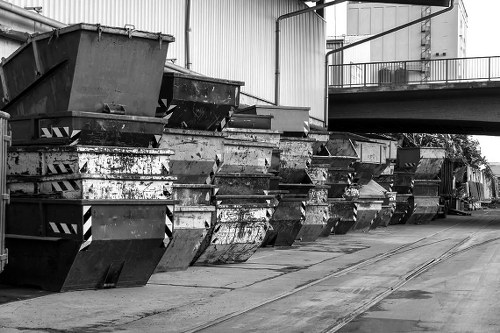 The Commercial Waste Hammersmith sustainability programme focuses on delivering an eco-friendly waste disposal area and a resilient, well-managed sustainable rubbish area for businesses across the borough. Our approach recognises that Hammersmith and neighbouring boroughs must combine practical on-site segregation with efficient off-site processing to reduce landfill, lower carbon emissions and create value through reuse and recycling. This page summarises targets, local transfer routes, charity partnerships and low-carbon transport solutions that underpin our operations.
Working in close alignment with local authority expectations and the wider West London waste network, our Hammersmith commercial waste services reflect the boroughs' approach to waste separation: food and organic streams collected separately, clear containers for paper and card, and dedicated bins for mixed dry recycling and non-recyclable residuals. We support incremental improvements in business-level sorting through clear signage, staff training and periodic audits — all designed to increase recycling capture at source and reduce contamination.
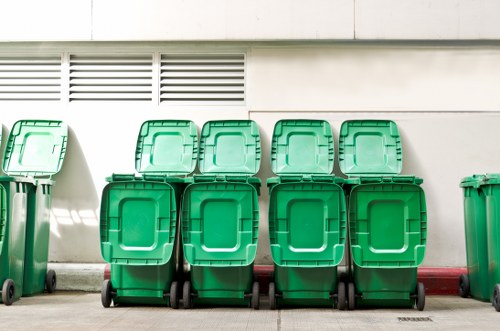 Our measurable ambition is a recycling percentage target of 65% by 2028 for commercial collections in the Hammersmith area, rising to 75% by 2035. To achieve these goals we route separated materials to nearby transfer stations and processing centres. Local transfer stations include West London transfer sites and adjacent Riverside transfer facilities serving Fulham and Kensington, enabling quicker turnaround, lower haul distances and better material recovery rates.
Partnerships with charities and community reuse organisations are central to creating a circular approach to commercial waste. We work with local furniture banks, food redistribution groups and textile reuse charities to divert usable items from the waste stream. These collaborations mean that items collected from offices, retail and hospitality — from reusable furniture to surplus non-perishable food and clothing — can be recovered and given a second life instead of being sent to energy-from-waste or landfill.
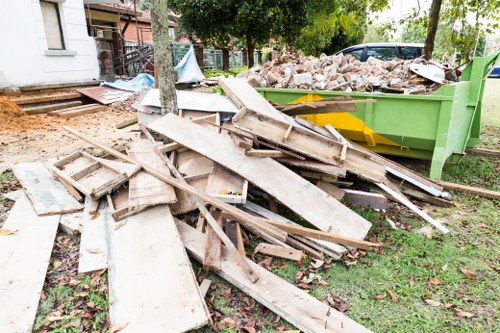 Fleet decarbonisation is a core part of our low-impact operations. Our low-carbon vans and smaller electric or hybrid vehicles prioritise zero-emission collections where routes and infrastructure allow. For heavier loads we use modern Euro 6-compliant refuse trucks and co-load vehicles to maximise payload efficiency and reduce overall mileage. Together, these vehicle choices contribute to lower NOx and CO2 emissions for commercial recycling Hammersmith collections, keeping local air quality improvements aligned with London borough objectives.
To support on-site sustainability, we offer clear, practical services for business customers: dedicated recycling bins, scheduled segregated lifts, and specialist collection streams for cardboard, glass, food waste, WEEE (electricals) and construction debris. A typical sustainability package will include an initial waste assessment, bin labelling, and targeted routes to transfer stations that accept high-quality separated materials — ensuring we protect value and reduce contamination.
Our operations are underpinned by transparent monitoring and reporting. We produce routine diversion reports showing tonnes diverted, recycling rates and carbon reductions. These reports support clients in meeting environmental policies, sustainability reporting and regulatory expectations. Commercial rubbish management in Hammersmith means not only collecting waste but demonstrating progress: year-on-year improvements in recycling capture and verified reductions in residual waste.
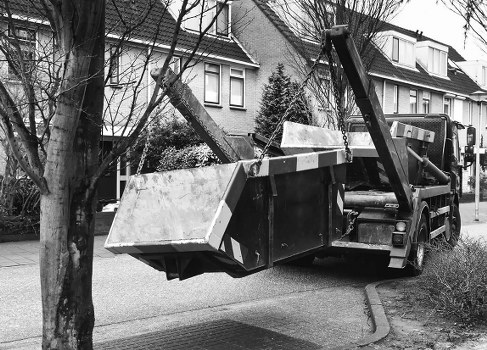 The sustainable rubbish area model includes segregated bays at client premises, dedicated skip areas for mixed construction and demolition materials, and specialised containers for textiles and bulky items destined for partner charities. We coordinate with several local transfer station operators to ensure materials are routed to the most appropriate processing stream — whether mechanical biological treatment for organics, MRFs (materials recovery facilities) for mixed recyclables, or certified recycling facilities for metals and wood.
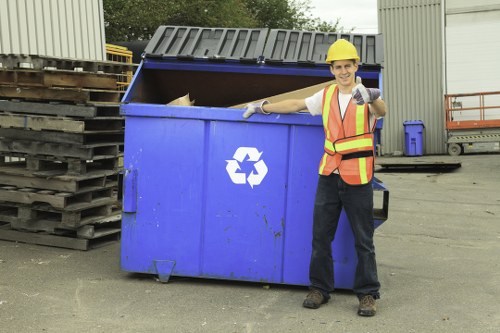 Key initiatives and commitments include:
- Recycling percentage target: 65% by 2028 and 75% by 2035 for commercial collections across Hammersmith and nearby boroughs.
- Local transfer stations: Efficient routing to West London transfer sites and nearby Riverside processing hubs to reduce haul distance and improve material recovery.
- Charity partnerships: Ongoing collaboration with reuse charities, food redistribution groups and community banks to ensure items are reused or redistributed.
- Low-carbon vans: Deployment of electric and hybrid vans for short urban routes, plus fuel-efficient trucks for heavier loads to minimise emissions.
- Waste separation support: On-site bin systems, staff engagement and contamination-reduction programmes aligned with borough guidance.
How this benefits local businesses and the community
By choosing a sustainable rubbish Hammersmith service, businesses reduce disposal costs, meet sustainability targets and enhance corporate responsibility profiles. Local environmental gains include cleaner streets, reduced traffic emissions from consolidated collections and more materials kept in productive use through reuse initiatives. Our strong focus on diversion through charity partnerships also brings social benefits — supporting local community groups and people in need.
Next steps and continued commitment
We will continue to refine routes, expand electric vehicle adoption, and deepen charity partnerships to meet and exceed our recycling targets. Through consistent performance monitoring, targeted investments in transport and infrastructure, and active engagement with borough waste strategies, our Commercial Waste Hammersmith offering delivers a pragmatic, measurable pathway to a greener urban waste system.
