Modern Slavery Statement — Commercial Waste Hammersmith
Our commitment to eradicating modern slavery
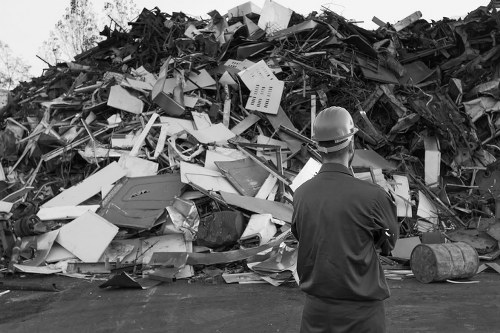 Commercial Waste Hammersmith is committed to a proactive, transparent approach to prevent modern slavery and human trafficking across all operations and supply chains. This Modern Slavery Statement explains our policies, the practical steps we take and the ongoing measures to mitigate the risk of exploitation in our services, including commercial waste hammersmith operations and related subcontracted activities.
We operate a zero-tolerance policy towards any form of forced labour, bonded labour, or human trafficking. All colleagues, contractors and suppliers are required to comply with our standards, and breaches are treated as serious misconduct which may lead to contract termination or legal action. Our position on modern slavery is non-negotiable and applies across the Hammersmith commercial waste sector, contractor networks, and recruitment channels.
 To embed this stance we focus on four pillars: prevention, detection, response and continuous improvement. Prevention includes staff training, supplier engagement and clear contractual clauses; detection includes audits, site visits and worker interviews; response means remedial action and cooperation with authorities; improvement requires annual review and reporting across our commercial waste in Hammersmith services.
Supplier due diligence and audits
Our supplier management process for Hammersmith commercial waste suppliers includes risk-based due diligence. All suppliers undergo pre-qualification checks, and higher-risk partners receive enhanced screening. We require suppliers to confirm adherence to our ethical standards in writing and to permit regular verification of working conditions and payroll records where applicable.
 We conduct scheduled and unannounced supplier audits, combining documentary review with on-site inspections and confidential worker interviews. Audit outcomes determine corrective action plans, timelines and follow-up audits. Persistent non-compliance leads to contractual remedies including remediation support or, if necessary, supplier removal from our supply chain. This audit regime strengthens our ability to identify and address forced labour risks within Hammersmith commercial waste collection, transport and disposal chains.
Our procurement teams use a combination of risk indicators — geography, sector, labour model and subcontracting depth — to prioritise audits. We also require key suppliers to demonstrate responsible recruitment practices and to ensure that workers retain control of their identity documents and have freedom of movement.
- Risk-based audits: focused on high-risk suppliers and regions;
- Corrective action: clear timelines and measurable outcomes;
- Ongoing monitoring: continued oversight until compliance is achieved.
Reporting channels and whistleblowing are central to our approach. We maintain confidential internal reporting mechanisms, protected reporting routes to senior management, and access to independent third-party channels so concerns can be raised anonymously. Reports are investigated promptly, with appropriate protection for whistleblowers and clear escalation paths to ensure timely and effective action across the Hammersmith commercial-waste ecosystem.
 We encourage all workers, suppliers and stakeholders to report suspected modern slavery issues without fear of retaliation. Our investigations are guided by principles of fairness, evidence-based assessment and respect for victims. Where exploitation is discovered we prioritise support for affected individuals, remedial measures and cooperation with law enforcement and relevant agencies.
 Annual review and continuous improvement: We formally review this Modern Slavery Statement and associated policies at least once each year. The annual review evaluates the effectiveness of training, supplier audits, reporting channels and corrective actions, and sets targets for the next period. Findings are used to refine risk assessments, update contractual requirements and strengthen operational controls across all Commercial Waste Hammersmith activities.
Training and governance: regular training for operational teams, procurement staff and senior leaders ensures awareness and competence in identifying and reporting modern slavery risks. Governance is provided by our executive leadership with oversight from designated compliance leads who ensure policy implementation and annual reporting.
Conclusion: Through a clear zero-tolerance stance, robust supplier audits, accessible reporting channels and a committed annual review process, Commercial Waste Hammersmith seeks to minimise the risk of modern slavery in all parts of its business. We continue to strengthen our systems, encourage transparency and work collaboratively with partners to protect workers and uphold human rights.
