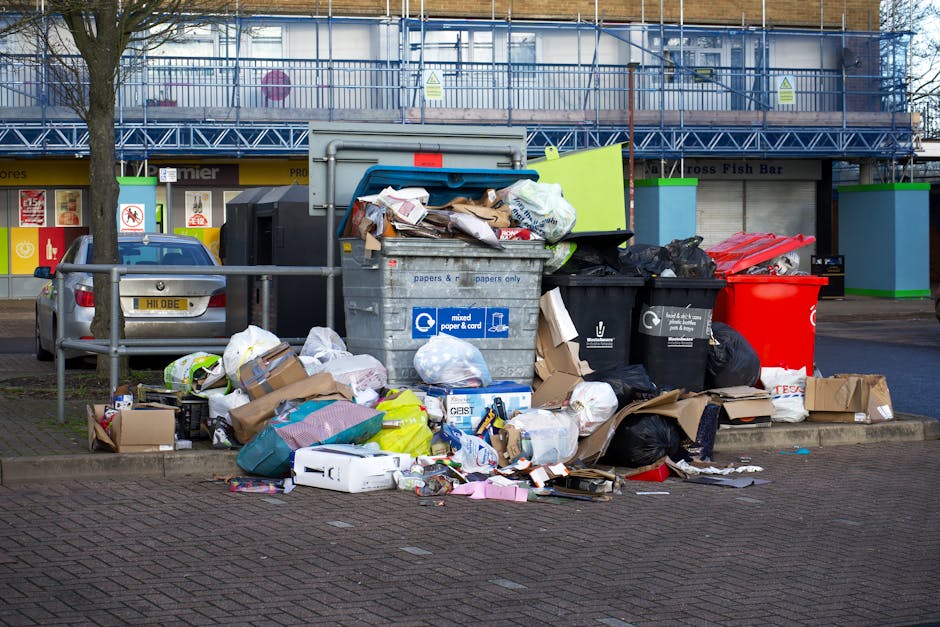
Rubbish removal near Hammersmith Broadway for residents
If you live close to Hammersmith Broadway, rubbish has a way of piling up faster than you expect. One old wardrobe turns into a hallway bottleneck, a flat clear-out becomes a weekend you never quite planned for, and suddenly the lift, the stairwell, and your patience are all working overtime. This guide to rubbish removal near Hammersmith Broadway for residents explains how local clearance works, what to look for, and how to avoid the usual headaches. It is written for people who want a clean, straightforward solution without the faff.
Whether you are clearing a flat after a tenancy, shifting broken furniture, or finally dealing with the stuff in the loft, the aim is the same: get it gone safely, legally, and with as little disruption as possible. We will walk through the practical steps, common mistakes, and the choices residents usually weigh up before booking a collection.
Table of Contents
- Why rubbish removal near Hammersmith Broadway for residents matters
- How rubbish removal near Hammersmith Broadway for residents works
- Key benefits and practical advantages
- Who this is for and when it makes sense
- Step-by-step guidance
- Expert tips for better results
- Common mistakes to avoid
- Tools, resources and recommendations
- Law, compliance, standards, or best practice
- Options, methods, or comparison table
- Case study or real-world example
- Practical checklist
- Conclusion
- Frequently asked questions
Why rubbish removal near Hammersmith Broadway for residents matters
Living around Hammersmith Broadway brings all the usual London advantages: excellent transport, busy streets, tight access, and a constant flow of people moving in, moving out, renovating, and replacing furniture. That mix is exactly why residential rubbish removal matters here more than in some quieter areas. Space is limited, storage is limited, and bulky waste quickly becomes a problem rather than a minor inconvenience.
For residents, the issue is not just tidiness. It is about day-to-day living. Bags left in hallways create trip hazards. An old sofa in a front room makes cleaning harder and can make a flat feel cramped and stressful. In shared buildings, waste can also affect neighbours, block access, or create complaints if it is left out too long. Let's face it, nobody wants to be the person whose mattress is sitting by the bins on a Saturday morning.
There is also the matter of disposal quality. Not all rubbish is the same. A few bin bags are one thing. Furniture, appliances, mixed household junk, garden waste, builders' rubble, and hazardous items all need different handling. A good local service helps make sense of that mix, and it reduces the chance of things being dumped, mishandled, or left for you to sort out later.
Expert summary: If you live near Hammersmith Broadway, the smartest rubbish removal choice is usually the one that matches your access, timing, and waste type rather than the cheapest headline promise.
How rubbish removal near Hammersmith Broadway for residents works
The process is usually more flexible than people expect. In many cases, you describe what needs removing, share a rough idea of volume, and arrange a collection time that fits your day. For flats and homes near Hammersmith Broadway, the practical details matter: is there lift access, are there parking restrictions, can a team reach the property easily, and are there awkward items to carry down stairs?
A typical residential collection often follows a simple flow. First comes the enquiry. Then an estimate based on the waste type and amount. After that, the team arrives, confirms the load, removes the items, and leaves the area swept up where possible. If you have ever watched a team carry a bulky wardrobe through a narrow London staircase, you know why good planning matters. It is part logistics, part muscle, and part not scraping the wall on the way out.
Some residents only need a one-off collection. Others need a fuller property clearance after a move, a bereavement, or a long-overdue declutter. For those situations, services such as flat clearance or home clearance can be a better fit than a standard ad hoc collection, because they are designed for multiple items and mixed loads.
If the waste includes particular items such as a worn-out sofa or an old bed, specialist routes can help. A mattress and sofa disposal service is useful when bulky soft furnishings are taking up more room than they should, and appliance removal can save time when fridges or washing machines have finally reached the end of the line.
Key benefits and practical advantages
For residents, the real value of rubbish removal is usually time, convenience, and peace of mind. You avoid multiple trips to a disposal site, you do not have to figure out where everything goes, and you are not left staring at a heap of stuff wondering how on earth it is all going to fit in the car.
- Less disruption: one collection can clear a problem quickly, especially useful in busy households or shared buildings.
- Better use of space: reclaim a bedroom, hallway, balcony, garage, or storage cupboard that has turned into a junk zone.
- Safer home environment: fewer trip hazards, fewer sharp edges, and less clutter around fire exits or doorways.
- Improved hygiene: old waste, damp cardboard, and broken household items can attract dust, smells, and pests if left too long.
- Stress reduction: there is a surprising emotional lift that comes with seeing a clear floor again. Oddly satisfying, really.
There are also practical advantages for landlords, tenants, and anyone preparing a property for sale or new occupancy. A clean, empty space is easier to photograph, easier to inspect, and easier to hand over. If a property needs a fuller reset, a structured house clearance can help you deal with the lot in one organised process.
Another major benefit is environmental responsibility. When waste is sorted properly, more of it can be separated for recycling or suitable disposal. That is particularly important for mixed residential loads, where one collection may include wood, textiles, metal, plastics, cardboard, and small electrical items.
Who this is for and when it makes sense
This kind of service is not only for people who are moving out. In fact, most residential rubbish removal jobs happen because everyday life gets messy in ordinary ways. A broken wardrobe. A spare sofa. Boxes from a renovation. A garage full of things nobody has used in years. Truth be told, clutter sneaks up on all of us.
It makes sense for:
- residents in flats with limited storage
- households replacing furniture or appliances
- tenants preparing for check-out
- landlords managing end-of-tenancy clearances
- families sorting a loft, garage, or spare room
- people handling a bereavement or major life change
- anyone who has collected bulky waste they cannot move safely themselves
It also helps when access is awkward. Near Hammersmith Broadway, that can mean controlled parking, shared entrances, stairwells, or lift-only access. If your property has a lot of stored items rather than just one or two bits, services such as loft clearance or garage clearance are often more practical than trying to manage it piece by piece.
For residents replacing a whole room of furniture, a dedicated furniture disposal option can be useful, especially when items are too heavy or bulky for normal household handling. And if you are dealing with a full property rather than a single room, a broader house clearance is worth considering.
Step-by-step guidance
Here is a simple way to approach rubbish removal without overthinking it.
- Sort the waste by type. Separate general junk, furniture, electrical items, garden waste, and anything that might need special handling.
- List the large or awkward items. Sofas, wardrobes, beds, fridges, broken exercise equipment, and similar pieces matter most because they affect labour and access.
- Estimate the volume. Think in terms of a few bags, a quarter load, half a van, or a full van. You do not need to be exact, just realistic.
- Check access. Make a note of stairs, lifts, parking limits, loading restrictions, and whether the items are on a top floor or in a basement.
- Request a clear quote. Ask what is included, whether labour is covered, and how the price may change if the load is different from the original description.
- Prepare the area. Keep items together, clear a path, and remove personal belongings from drawers, cupboards, and shelves.
- Be available at collection time. A quick walk-through can prevent confusion and save time on the day.
- Ask about sorting and recycling. If you care where the waste goes, ask how mixed loads are handled.
A small bit of preparation goes a long way. It is the difference between a smooth 20-minute visit and everyone standing around moving a lamp, a coat rack, and a mystery box three times. Nobody needs that.
Expert tips for better results
Over time, one thing becomes clear: the best rubbish removal jobs are the ones where the resident makes a few smart decisions before anyone arrives. Not complicated stuff. Just the basics done well.
Keep like with like. If all the cardboard is together, all the furniture is together, and hazardous bits are not mixed in with household waste, the clearance is usually quicker and cleaner.
Measure awkward items. A sofa that looks manageable in a room can become a problem on a narrow landing. If you have a particularly bulky item, note its dimensions before collection day.
Be honest about the load. Underestimating waste is common. To be fair, piles look smaller in your head than they do in a hallway. A good description saves everyone time.
Protect shared spaces. In apartment buildings, watch out for corners, walls, and lift doors. Putting a bit of cardboard down before moving items can help if a heavy item needs to be brought out carefully.
Think beyond removal. Ask yourself whether anything can be reused, donated, or kept separate from the waste stream. The fewer unnecessary items included, the easier the job.
If you are dealing with a lot of household contents rather than just a few items, consider whether furniture clearance or a more general waste removal service is the cleaner fit. Different jobs need different approaches, and that bit of judgement saves frustration later.
Common mistakes to avoid
Most problems with residential rubbish removal are avoidable. They usually come from rushing, guessing, or leaving sorting until the last minute.
- Mixing everything together: this makes sorting harder and can slow the whole collection down.
- Forgetting access issues: a load may be straightforward inside the flat but tricky once stairs, parking, or lift size are involved.
- Leaving items outside too early: that can create nuisance issues, especially in busy residential areas.
- Assuming all waste is standard waste: appliances, mattresses, and certain materials may need specialist handling.
- Not checking what happens to reusable items: if sustainability matters to you, ask before booking.
- Underestimating the volume: one room of clutter often becomes two van loads in real life. Happened to more than one person we have spoken to.
Another easy mistake is forgetting to remove valuables, documents, or sentimental items from drawers and cupboards. Sounds obvious, but it happens all the time. A quick check before the team arrives can save you a headache.
Tools, resources and recommendations
You do not need specialist equipment to prepare for rubbish removal, but a few simple tools make the process smoother.
- Strong bin bags or refuse sacks: useful for smaller waste and mixed household junk.
- Gloves: sensible for handling dusty, sharp, or dirty items.
- Tape measure: handy for checking furniture dimensions and access gaps.
- Marker pen: useful if you want to label items to keep, donate, or remove.
- Cardboard or old blankets: helpful for protecting floors and shared hallways.
- Phone camera: quick photos can help when describing waste volume or awkward items.
For residents with larger domestic clear-outs, the most useful service pages to review are usually home clearance, flat clearance, and, where the job is more specific, garage clearance or loft clearance. Choosing the right type of clearance can make the whole experience feel much less chaotic.
If you are comparing providers, it is also sensible to look at pricing clarity and service details. The pricing and quotes page can help you understand what information is typically needed before booking. And if you want to know more about how the company works, the about us page is a sensible place to start.
Law, compliance, standards, or best practice
Residential rubbish removal may feel simple, but there are still important standards and responsibilities behind the scenes. In the UK, waste must be handled by authorised operators, and residents should be careful not to leave material with anyone who cannot show they are operating properly. You do not need to become a waste law expert, but you do need to be sensible.
Best practice usually means:
- using a reputable service that can explain how waste is handled
- separating items that need special treatment, such as fridges, chemicals, or sharp materials
- avoiding fly-tipping by never handing waste to someone who looks unprofessional or vague
- keeping items out of communal areas longer than necessary
- checking that any mixed load is sorted in a responsible way where possible
Health and safety matters too. Heavy lifting in stairwells, broken glass, damp materials, and old electricals can all create risks. If you are clearing a property after building work, the handling of debris may be different again, which is why a builders waste clearance page is relevant if rubble, plasterboard, or renovation waste is involved.
For sensitive paperwork or office-style waste kept at home, confidential destruction may also be worth considering. That is where confidential shredding can be useful, especially for residents who work from home and have accumulated files they no longer need.
Options, methods, or comparison table
Residents near Hammersmith Broadway usually choose between a few broad approaches. The right one depends on volume, urgency, access, and how much effort you want to put in yourself.
| Method | Best for | Advantages | Limitations |
|---|---|---|---|
| Self-loading household trips | Very small volumes | Can work for a few bags or light items | Time-consuming, physically awkward, and not ideal for bulky waste |
| Skip-style solution | Projects with steady waste output | Useful where waste accumulates over time | Needs space, access, and an understanding of what can go in a skip |
| Professional collection | Mixed domestic rubbish, furniture, and bulky items | Fast, flexible, and suited to flats and homes with access issues | Usually depends on load size and item type |
| Specialist item disposal | Fridges, mattresses, sofas, and similar items | Designed for awkward or regulated items | Not always the right choice for mixed waste |
If you are leaning toward a skip, it is worth understanding the basics first. The page on what can go in a skip is helpful when you want to avoid mistakes such as loading prohibited materials or overfilling. For many residents, though, a collection service is easier because it removes the need to manage a skip on a tight residential street.
Case study or real-world example
A fairly typical local situation goes like this. A resident in a two-bedroom flat near Hammersmith Broadway has been meaning to clear the spare room for months. The room holds a broken desk, an old mattress, a bent shelving unit, four bags of mixed waste, and a couple of boxes of things they meant to donate. Every time they look at it, they shut the door and make tea instead. Understandable, really.
They start by separating personal papers, keeping one small box of reusable items, and moving the rest into a single area near the entrance. They check access, note that the building has a lift but awkward turning space, and ask for a collection that covers furniture plus mixed domestic rubbish. On the day, the team removes the items, loads them carefully, and clears the room in one visit. The resident gets the space back by the afternoon, and the room finally becomes a proper workspace rather than a storage graveyard.
What made the difference was not just the removal itself. It was the preparation. Once the load was sorted and access was explained clearly, the whole thing became manageable. That is the real lesson. Good rubbish removal is rarely about drama; it is about clarity.
Practical checklist
Use this quick checklist before booking residential rubbish removal near Hammersmith Broadway.
- Identify every item you want removed.
- Separate anything you want to keep, donate, or recycle.
- Check for special items such as appliances, mattresses, or hazardous materials.
- Estimate the volume honestly, even if it is rough.
- Measure large items and note stairs, lifts, or tight corners.
- Clear a route from the waste to the exit.
- Remove valuables, documents, and personal items from furniture.
- Ask how pricing works and what is included.
- Confirm the collection time and any access instructions.
- Make sure communal areas stay tidy and safe until collection.
If you want a more organised property-wide approach, look at house clearance or home clearance depending on the scale. For residents dealing with awkward heavy pieces, furniture disposal is often the most efficient route.
Conclusion
Rubbish removal near Hammersmith Broadway for residents is really about making busy urban living simpler. Whether you are clearing a single bulky item or sorting an entire flat, the right approach saves time, avoids stress, and keeps your home safe and livable. The biggest wins usually come from a bit of planning, a realistic description of the waste, and choosing the service that actually fits the job.
Near a place as busy and tightly packed as Hammersmith Broadway, convenience matters, but so does care. A well-handled collection should feel calm, tidy, and surprisingly straightforward. That is the goal. And once the clutter is gone, the room feels different. Lighter, somehow.
If you are still comparing options or you want to plan a collection with less guesswork, take a look at the service information and booking details available on the site, including book online for a quick next step.
Get a free quote today and see how much you can save.
Frequently Asked Questions
What counts as rubbish removal for residents near Hammersmith Broadway?
It usually means collecting and disposing of unwanted household waste, bulky items, furniture, appliance waste, and mixed clear-out materials from homes or flats. In practice, it covers everything from a few bin bags to a full room of clutter.
Is rubbish removal better than hiring a skip for a flat?
For many flats, yes. A collection service is often easier because you do not need space for a skip, parking permissions are less of a headache, and the team removes the waste for you. A skip can make sense for ongoing renovation waste, but it is not always the easiest choice.
How do I know how much waste I have?
A simple visual estimate is usually enough. Think in terms of bags, furniture pieces, or how much floor space the items cover. If you are unsure, taking a few photos before booking often helps describe the load more accurately.
Can I get rid of a sofa or mattress with normal rubbish?
Usually not in the same way as everyday household bags. Sofas and mattresses are bulky items and are often handled separately through specialist furniture or soft-furnishings disposal routes.
What should I do with fridges and other appliances?
Appliances are best treated as specialist items because of their size and material mix. If you have a fridge, freezer, washer, or similar item, check whether the service includes appliance removal.
Do I need to sort my rubbish before collection?
Some sorting is helpful, especially if you can separate furniture, cardboard, and general waste. You do not usually need to make everything perfect, but a tidy, grouped load makes the collection faster and cleaner.
What if I live in a building with stairs and no lift?
That is very common in London. Just mention it when arranging the collection so the team can plan for access, lifting, and any extra time needed. It is better to be upfront than to discover it at the door.
How long does a residential rubbish collection take?
It depends on the size of the load, access, and how prepared the items are. A small collection can be quick, while a fuller flat or home clearance will naturally take longer.
Can rubbish removal help after a move or tenancy change?
Absolutely. It is one of the most common reasons residents book a collection. A clean-out after moving out, moving in, or handing a property back is often much simpler with a dedicated clearance.
What if I have items I want to keep but not store?
That usually means your best first step is to separate the keep pile and remove it from the room before the clearance begins. Once the keep items are out of the way, the waste becomes much easier to assess.
Is there a difference between furniture clearance and furniture disposal?
Yes, in a practical sense. Furniture clearance usually refers to removing multiple furniture items as part of a broader job, while furniture disposal focuses more specifically on getting rid of individual pieces. The right option depends on how much you need removed.
What is the safest way to prepare for a rubbish collection?
Keep paths clear, remove valuables, avoid lifting items you cannot handle comfortably, and make sure sharp or heavy objects are not loose. If something feels unsafe to move, leave it where it is and mention it in advance. No heroics needed.
How do I choose the right service for my home?
Match the service to the job. Small mixed waste may suit general rubbish removal, while larger household clear-outs may be better handled by house clearance or flat clearance. The right fit usually saves time and money.
What happens to the waste after collection?
That depends on the type of waste and how it is sorted, but the aim should be responsible handling with recycling where possible and proper disposal where required. If sustainability matters to you, ask about recycling and environmental handling before you book.
If you are comparing options for nearby residential clearance, it can also help to review the company's approach to recycling and sustainability and its insurance and safety information. Small details like that can tell you a lot.
And honestly, once the clutter is gone, the whole place feels more like home again. That part never really gets old.